Art Therapy in New York
Evidence-based creative arts therapy for anxiety, trauma, eating disorders, and the creative life.
What is Art Therapy?
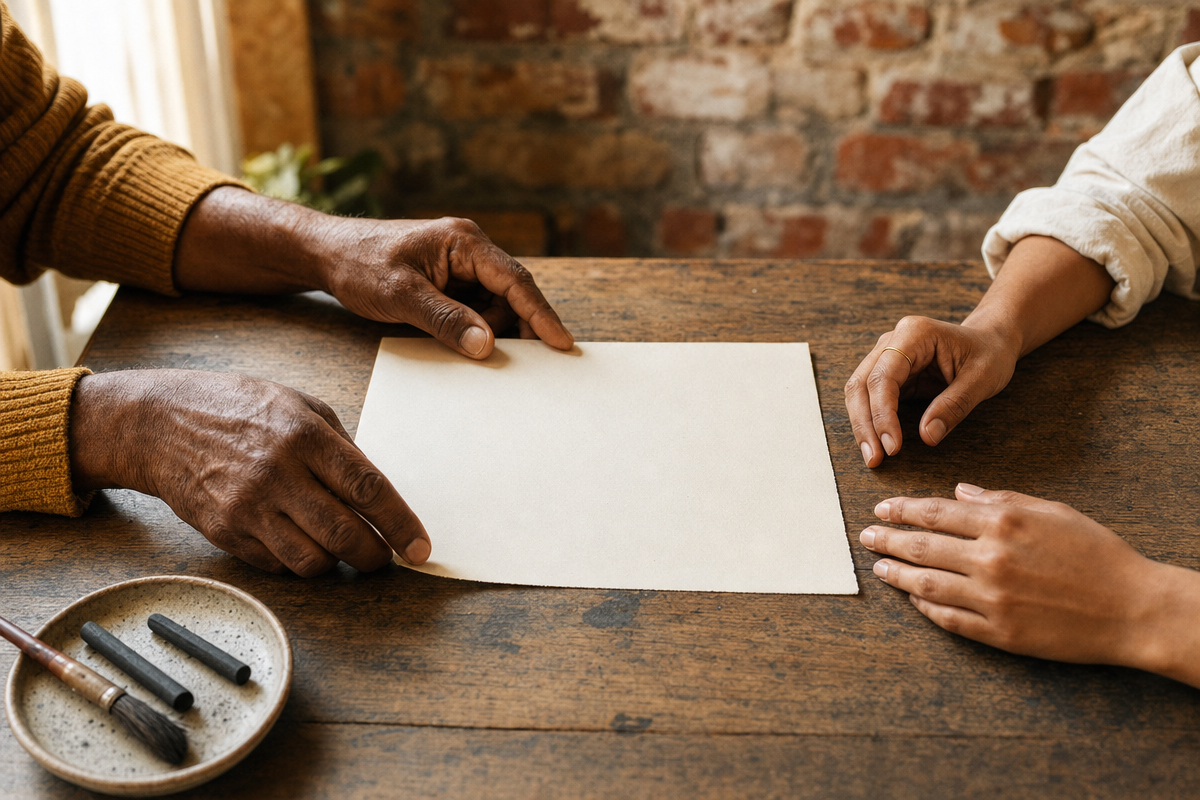
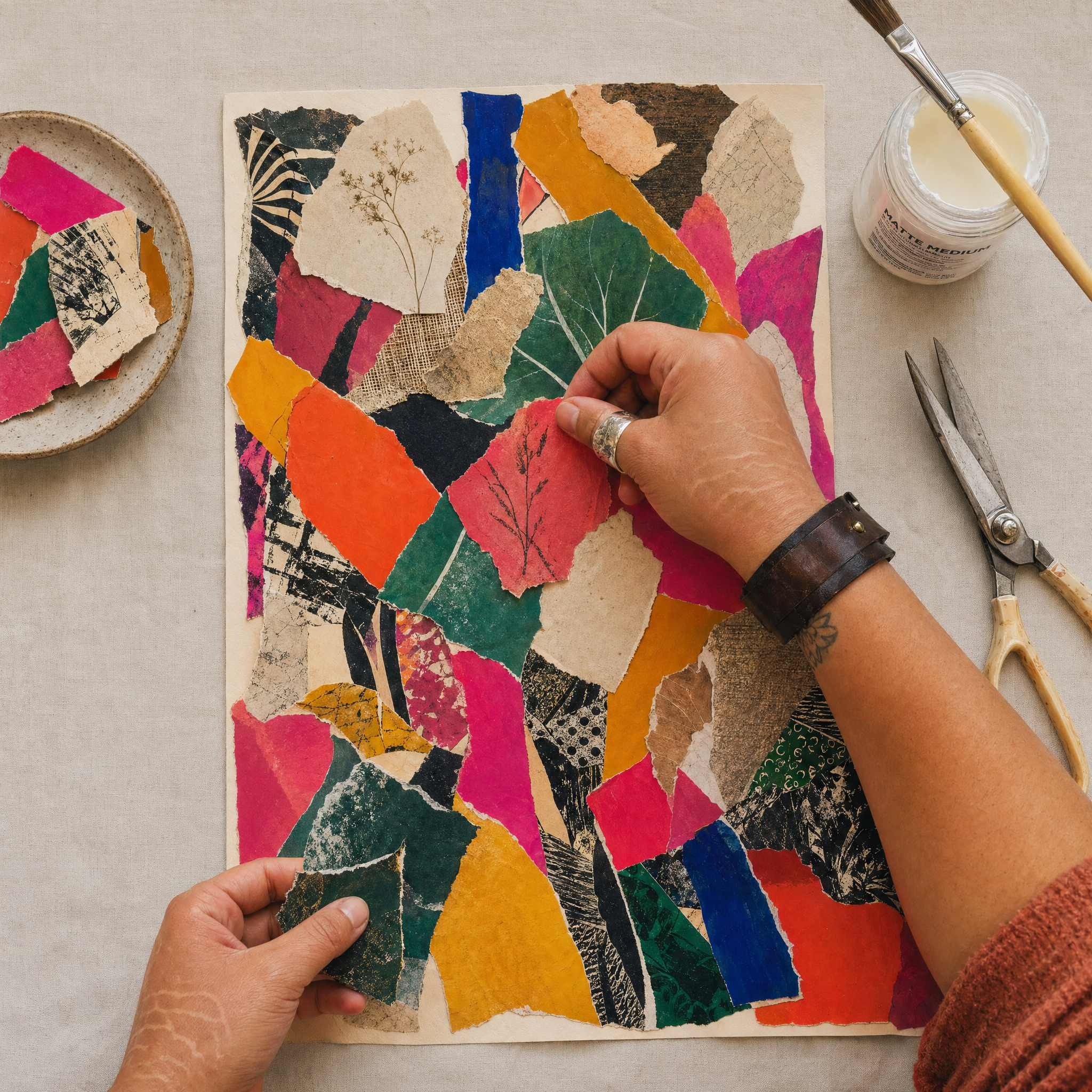
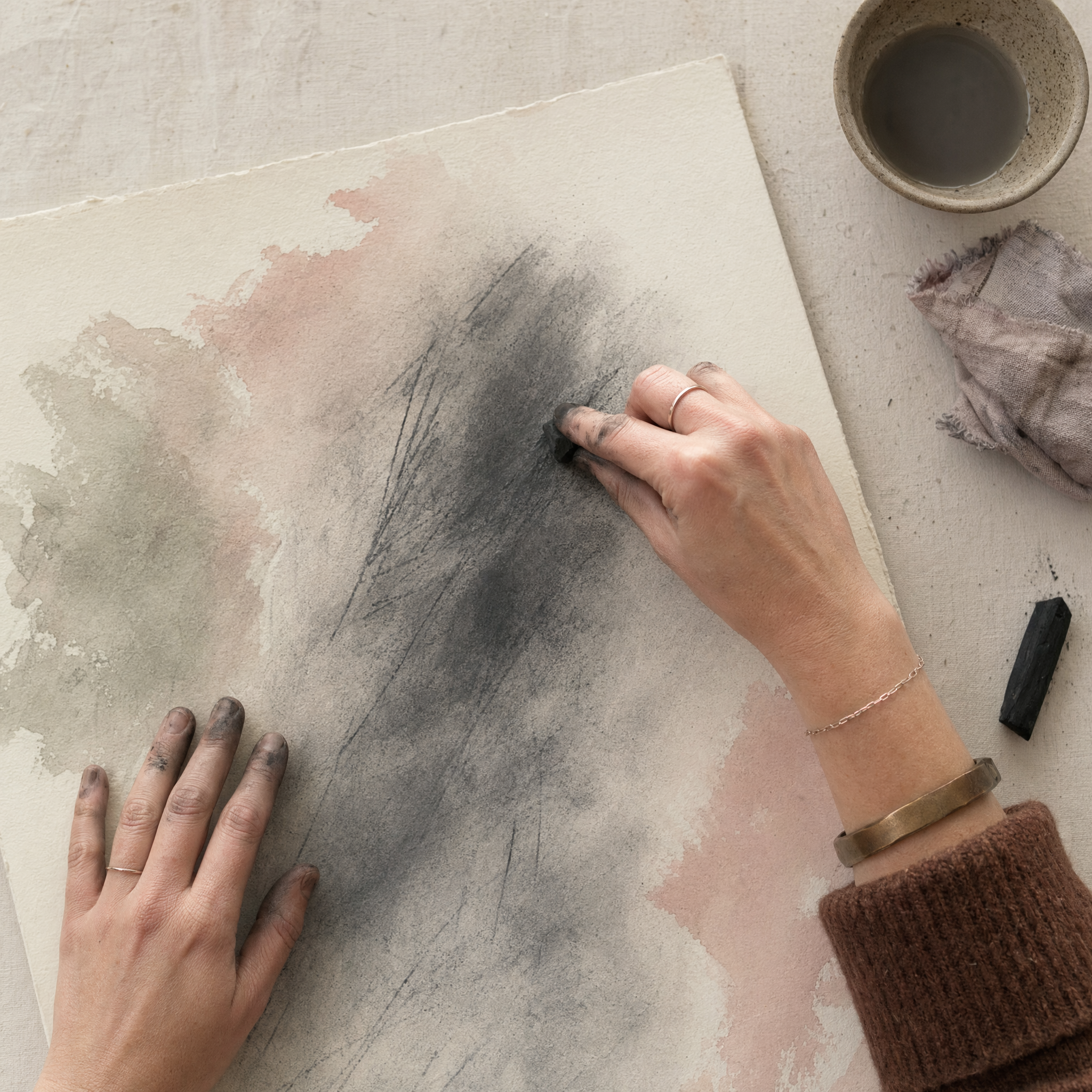
Art therapy is a form of psychotherapy in which making art — painting, drawing, collage, clay, sculpture — becomes a path into the material that's hard to say out loud. Licensed art therapists (LCAT, ATR-BC) complete master's-level training in both clinical psychotherapy and art therapy, and practice under the same ethical and confidentiality standards as any licensed mental health clinician in New York State.
What makes it different from talk therapy:
It reaches unconscious & pre-verbal material. Trauma, childhood memory, and somatic experience often live outside language. Image-making is how they come forward.
It lowers defenses. It's often easier to show something than to state it.
It externalizes. Once a feeling is on paper, you can look at it together, from the outside — which changes what you can do with it.
History of Art Therapy
For ages, societies worldwide have used art to advance healing; however, the actual field of art therapy grew in the middle of the 20th century. Adrian Hill, a British artist, created the term in 1942 after realizing that painting had beneficial effects on patients healing from disease. The art psychotherapy profession started in the United States with pioneers such as Margaret Naumburg, Edith Kramer, and Hanna Kwiatkowska.
Who Can Benefit from Art Therapy?
Art therapy is an effective treatment for peopling struggling with:
Eating disorders
Unique pressures faced by artists and creatives
Common Art Therapy Techniques
Art therapists employ a few strategies that change to meet everyone’s needs. Some popular ways are:
Painting and Drawing
Sculpture and Pottery
Doodling and Scribbling
Making collages
Textile Art and Cardmaking
Open Studio format
Directive-based sessions
Read more about art therapy techniques and directives.
For clients whose trauma sits below language, we often pair art therapy with EMDR to reach memories the talking mind can't easily access.
Art Therapy vs. Talk Therapy
| Art Therapy | Talk Therapy | |
|---|---|---|
| How the work happens | Image-making and conversation, side by side. Your body and your words in the room at the same time. | Words only. |
| Reaches what's hard to say | Yes. Image-making surfaces what lives below language — useful when words stop helping, or never quite arrive. | Limited to what you can put into words. |
| Works with the body | Yes. Art-making is somatic — a body-based practice — which matters, because trauma, anxiety, and disordered eating live in the body, not just in memory. | Indirectly. |
| Especially helpful for | Trauma, anxiety, eating disorders, grief, identity work, creatives — and anyone who's done talk therapy and felt it stall. | Most presenting concerns. |
| Artistic skill needed? | None. Art therapy can feel weird at first — most people arrive sure they "can't draw." That's fine. The work is in the making, not the result. | — |
| Provider credential in New York | LCAT + ATR-BC. Fully licensed mental-health clinicians with additional, specialized training in art therapy. Both, not one or the other. | LMHC, LCSW, PsyD, or similar. |
Schedule a free 15-minute appointment
Frequently Asked Questions about Art Therapy
-
Our art and verbal psychotherapy sessions are typically 45 minutes; EMDR sessions are typically 55 minutes.
-
No! You can choose to make art every week, on occasion, or never at all. You and your therapist will determine what the best course of treatment will be.
-
45 minute sessions are $250, and 55 minute sessions are $275. Our are a lower-cost way to start, with no ongoing commitment.
-
Yes! Most of our sessions are conducted via a secure telehealth platform. We do have some in person availability as well.
-
Anyone can do art therapy – absolutely no artistic skill is required. Art therapy is much more focused on the process, not the product; this means that the process of making the artwork is much more important than the end result.
-
We are proud to be paneled with Aetna, Cigna, and Healthfirst, and enjoy serving folks on Medicaid. However, we are only able to reserve a certain number of slots for insurance clients, so please reach out to inquire if we have that availability. Please also note that many insurances offer benefits for out of network providers!
-
In an art therapy session, you will be creating art while talking to your therapist. They may give you guidance on what to create, or it may be free form; either way, your therapist will be talking with you & guiding you throughout.
-
Your therapist will first explore your trauma history with you so they can focus treatment accordingly. Then the sessions will consist of either you tapping your upper arms or watching a screen as dots pass by in order to access the trauma-based neural network. We know this can sound odd! Please don’t hesitate to reach out and we can provide much more information.
-
In you have to cancel less than 24 hours before your appointment, you will be charged the full session fee. This is due our inability to offer the slot to another client.
Let’s Work Together