
Supervision for Art Therapists
You're an art therapist — sitting with cases that follow you out of the room, logging hours toward a credential, or doing the work mostly alone and missing somewhere to think out loud with someone who does what you do. Most supervision on offer wasn't built for us: it's general clinical or social-work supervision, with the art treated as a footnote. This is different. Supervision for art therapists, led by an art therapist, here in Brooklyn — where the materials are welcome in the room, and so is the part of the work you can't put into words yet.

What Art Therapy Supervision Is
Supervision is the hour you don't get anywhere else: protected time to bring your cases, your questions, and your stuck places to someone trained in the same work. Ours is built specifically for art therapists. That means we're not only talking about your clients — we're paying attention to the images they make, the materials they reach for, what happens in the space between you, and what your own response to the work might be telling you.
Supervision That Counts Toward Your Hours
If you're working toward a credential, supervision isn't optional — it's required, and the requirements are specific. In New York, the LCAT (Licensed Creative Arts Therapist) license calls for supervised experience completed after your degree, under a qualified supervisor. Nationally, the ATR and ATR-BC credentials through the Art Therapy Credentials Board carry their own supervised-hour and supervision-ratio rules. The details matter, and getting them wrong costs you time you don't have.
We supervise with those requirements in mind — tracking your hours, keeping the documentation the boards expect, and making sure the supervision you're paying for actually counts toward the credential you're after. Your supervisor is an art therapist who has been where you are: credentialed, practicing, and trained to supervise. Beyond the paperwork, this is where you build the clinical judgment that outlasts any exam — how you think, how you hold a case, how you stay ethical and steady when the work is hard.
What Supervision Covers
Case consultation — the clients you're worried about, stuck on, or energized by
Art-based reflection — using materials to understand what's moving in the work
The therapeutic relationship — transference, countertransference, and your own responses
Ethics, boundaries, and scope — the gray areas, thought through together
Documentation and clinical writing — notes that hold up and actually help
Hours toward your LCAT, ATR, or ATR-BC — tracked and documented
Your growth as a clinician — steadier judgment, a clearer clinical voice
Book a Free 15-Minute Call
Bringing Art Into Supervision
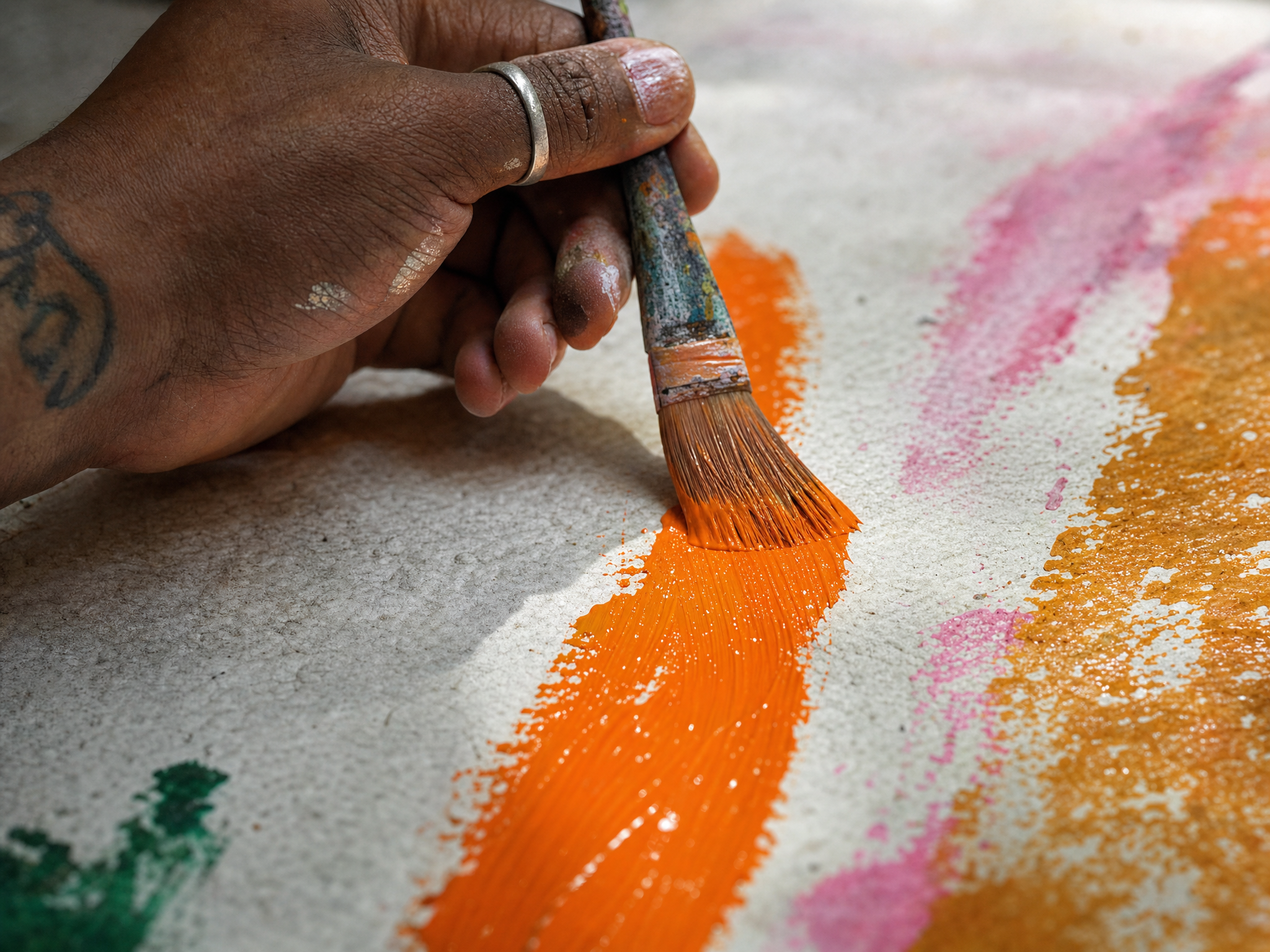
Here's what makes this different: the art doesn't stop at your clients. In supervision, you can use the materials too. Response art — making something in answer to a case — can surface what you sense about a client before you have words for it. A quick image can show you the shape of a dynamic you've been circling. The same non-verbal, body-led knowing you trust in your own sessions works just as well when the case on the table is yours to think through.
This is supervision that practices what it teaches. You don't have to make anything — plenty of sessions are just talking, and that's real work too. But the option is always there, because the materials belong in this room as much as they belong in yours. Bringing art to supervision can feel strange at first. It's worth it.
Frequently Asked Questions about
Art Therapy Supervision
-
That's the goal. Supervision is structured around the LCAT supervised-experience requirements and the ATR/ATR-BC hours set by the Art Therapy Credentials Board, and we keep the documentation the boards ask for. Requirements depend on your stage and they change, so we'll confirm the specifics for your path on the first call.
-
Both. In-person supervision happens at our Brooklyn location; remote supervision works if you're outside the city or fitting it between sessions. We'll sort out what suits your schedule and your credential's rules — some require part of your hours face-to-face.
-
Individual supervision gives you the whole hour for your own cases. Group supervision, when there's a cohort ready, adds the gift of learning from other art therapists' work. Tell us what you're after and we'll point you to the right format.
-
Yes. Plenty of art therapists want consultation long after the hours are logged — a steady place to bring hard cases, check your thinking, and not practice in isolation. Credential or not, the work is the same.
-
No. The materials are available, never required. Some sessions are entirely conversation; others use response art to reach what's hard to say. You set the pace, and we'll offer the option when it might help.
-
We'll walk through fees on the first call, since the rate depends on format and how often we meet. The 15-minute consultation is free, with no obligation after it.