
Aging gets talked about mostly in terms of what goes. The losses get named constantly. What rarely gets named is that later life is still generative - that you can still make something that didn't exist before, and that the making itself does something good for you.
That is most of what art therapy for seniors is about. Not talent. Not a craft hour to pass the time. A real, body-based practice, led by a licensed therapist, that uses making things as the way in - to memory, to meaning, and to a gentler relationship with the body you are living in now.
What art therapy is (and isn't) for seniors
Art therapy is not an art class. No one is grading the work, and you do not need to be good at it. You do not need to have made anything since grade school.
It is clinical work that happens through materials instead of only through talk. You and a therapist use paint, clay, collage, pastels - whatever fits - and what you make becomes something you can both look at, hold, and talk around. For a lot of people, that side door is easier than sitting face to face and being asked how you feel.
It is also somatic work, which is a clinical way of saying: what you already know, in your hands. Making something is a body doing a thing. For older adults, that matters more than it sounds, and we will come back to it.
Why it works so well later in life
Later life brings a particular set of things to the table - a long history, changing memory, a changing body. Most of the benefits of art therapy for seniors come back to those three, and the work meets each one from the side of what is still here rather than what is going. That is a lot of why it lands so well with older adults in particular.
Life review, made visible
Toward the end of a life, most people do some version of looking back - sorting what happened, what it meant, what they are proud of. Psychologists call it life review, and it is one of the healthiest things a person can do in later years.
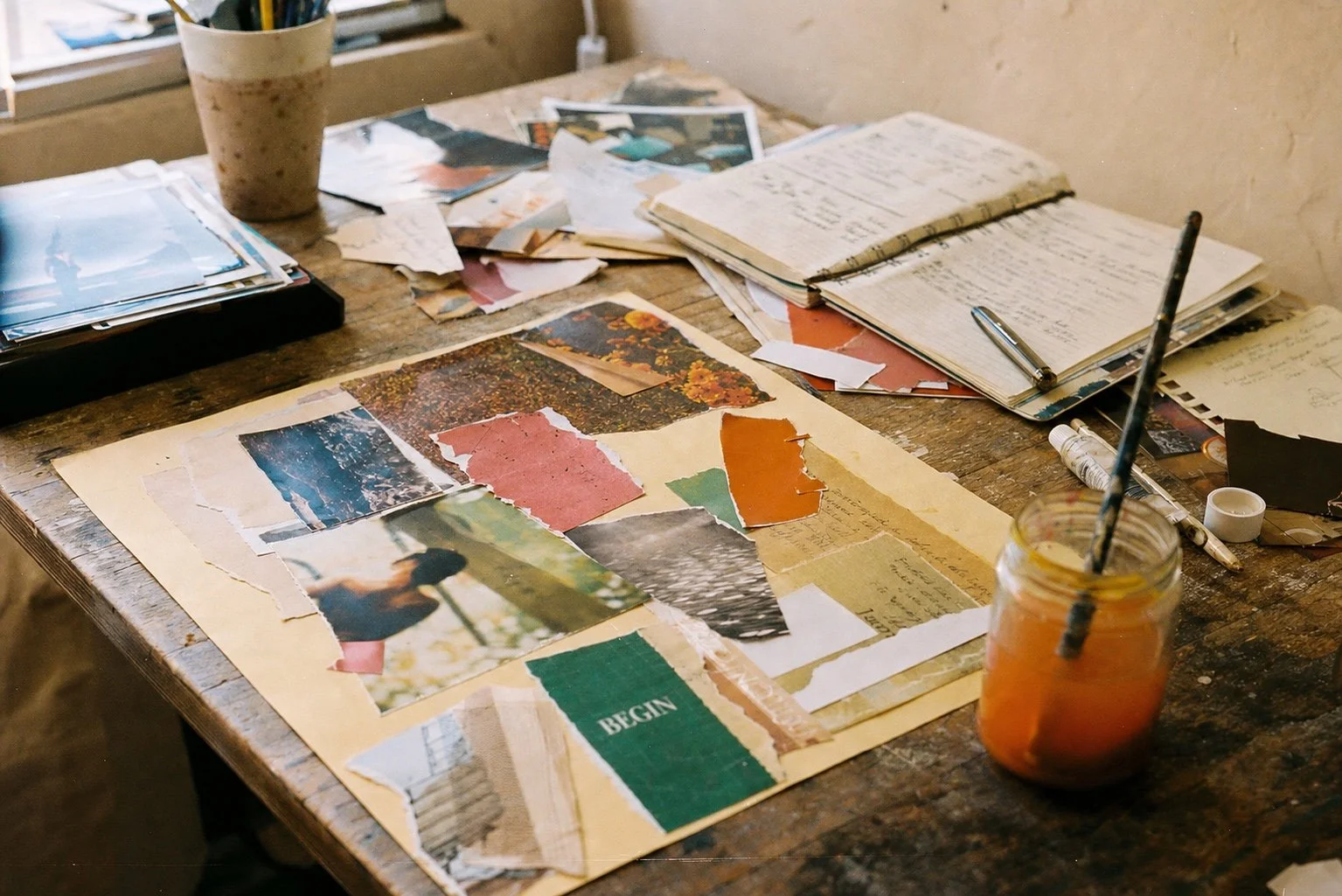
Art gives that review a shape you can see. A collage of a marriage. A painting of the block you grew up on. The point is not the picture. It is that the remembering has somewhere to go, and someone alongside you while it does.
Memory you can hold
When memory starts to change - and for many families, that is the quiet fear underneath all of this - words get harder before making does. Reaching for a color, following a texture, finishing a mark you started: these hold on when names and dates start to slip.
That is why art therapy is used so widely with memory changes. It works with what remains, and what remains is often more than it looks like from the outside. A person who cannot tell you about their day can still choose a blue, still feel emotions arise when making something, still recognize their own hand in a piece from last week.
A kinder relationship with your body
Bodies change with age, and a lot of that change is framed as failure. Making something quietly argues the other way. Your hands did this. That is a positive thing your body did today, and you can hold it.
That shift - from the body as a list of problems to the body as something that creates - is one of the most underrated things this work does.
What a session actually looks like
A session is calmer than people expect. You sit down with materials. The therapist offers a starting point, or does not. You make something. You talk, or you are quiet and you make, and the talking comes later.
Nothing has to be finished. Nothing has to be good. Honestly, the mess is the point - the smudge, the color that went wrong, the thing that surprised you. That is usually where the real conversation is.
Art therapy activities and projects for seniors
A few of the activities and projects that come up often, so you know the range:
Life-review collage - building a piece around a chapter, a person, or a place that mattered.
Color and memory - choosing colors for feelings or times of life, no drawing skill required.
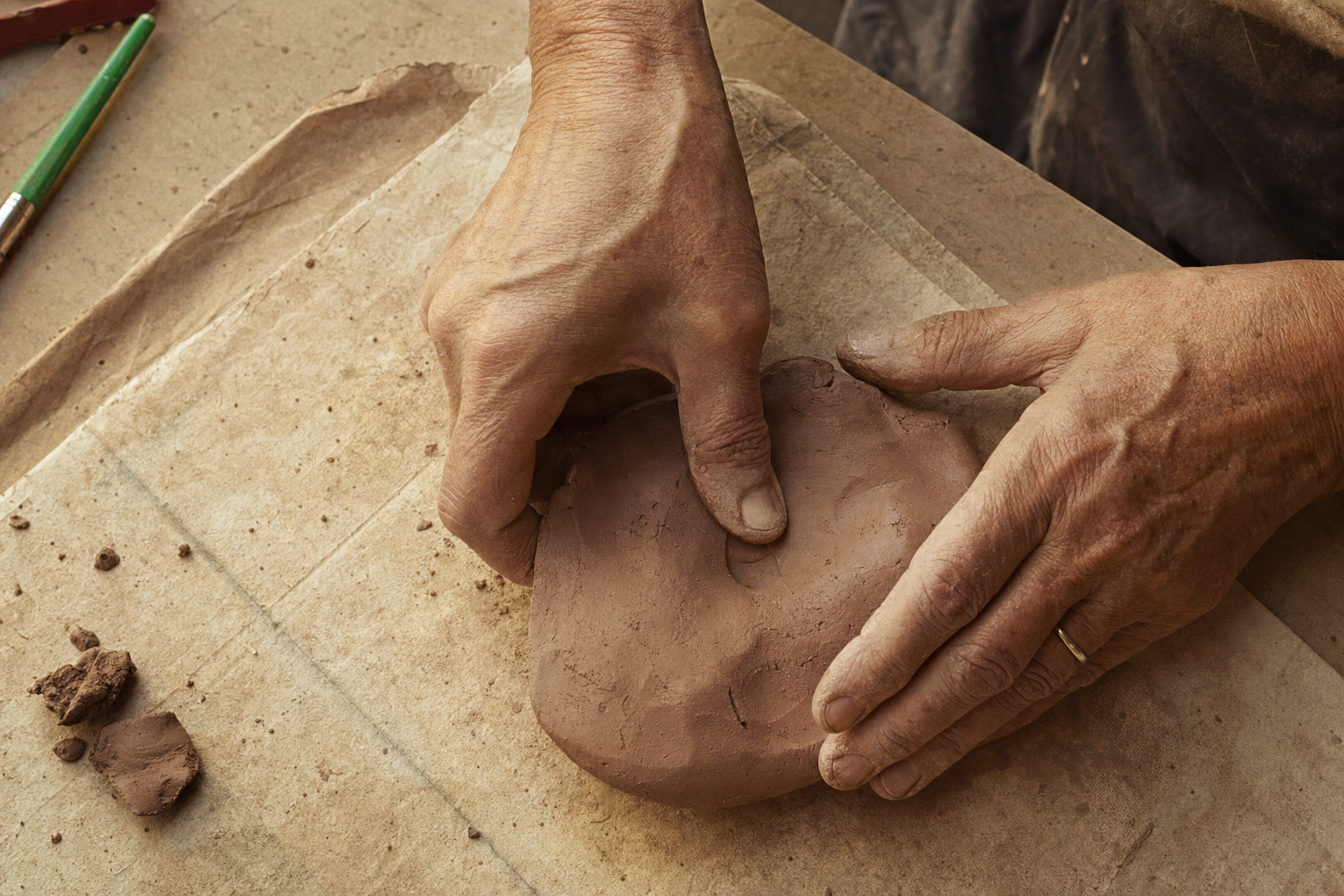
Working in clay - grounding, tactile, forgiving; good on days when words are hard.
Hand and gesture pieces - tracing, printing, or painting the hands themselves, which tend to carry a lot of a person's story.
None of these need talent. All of them are doorways, not tests.
Art therapy and memory changes
Art therapy for seniors with dementia, Alzheimer's, and other memory changes is not a cure, and no honest person will tell you it is. What it is: a way to keep connection, expression, and a sense of self going when other doors are closing.
For dementia patients, the work leans hard on the positives - recognition, choice, pleasure, the person's own hand on the page. Art therapy activities for dementia are usually simple and open: choosing colors, working a familiar texture, adding to a piece from last week. It meets someone where they are on a given day, and it does not ask them to be who they were yesterday. For a lot of families, that is a relief, and a way to still spend good time together.
Working with an art therapist in Brooklyn
If you have been looking for art therapy for seniors near you - and near you means Brooklyn, or anywhere in New York on a screen - this is what we do. Brooklyn North is a creative arts therapy practice in Brooklyn, and we work with older adults in person and, when it is easier, online across the state.
Therapy is hard, and making art can feel weird at first. Both are still worth it - maybe especially now. If you want to talk about whether this is a fit, we would be glad to.
