Art Therapy for Eating Disorders: What It Can and Can't Do
An eating disorder doesn't stay in its lane. It moves into your thoughts, your plans, the way you see yourself in a shop window. The counting, checking, and rules slowly crowd out things you used to care about - and for most people, anxiety and depression move in alongside it.
Here's what we want to say up front: art therapy alone cannot treat an eating disorder. A lot of what's written online oversells it, and you deserve honesty more than you deserve a pitch. What art therapy can do - as one part of a real treatment team - is help you work on the feelings underneath the food rules, and give you an hour in the week where your worth isn't being measured.
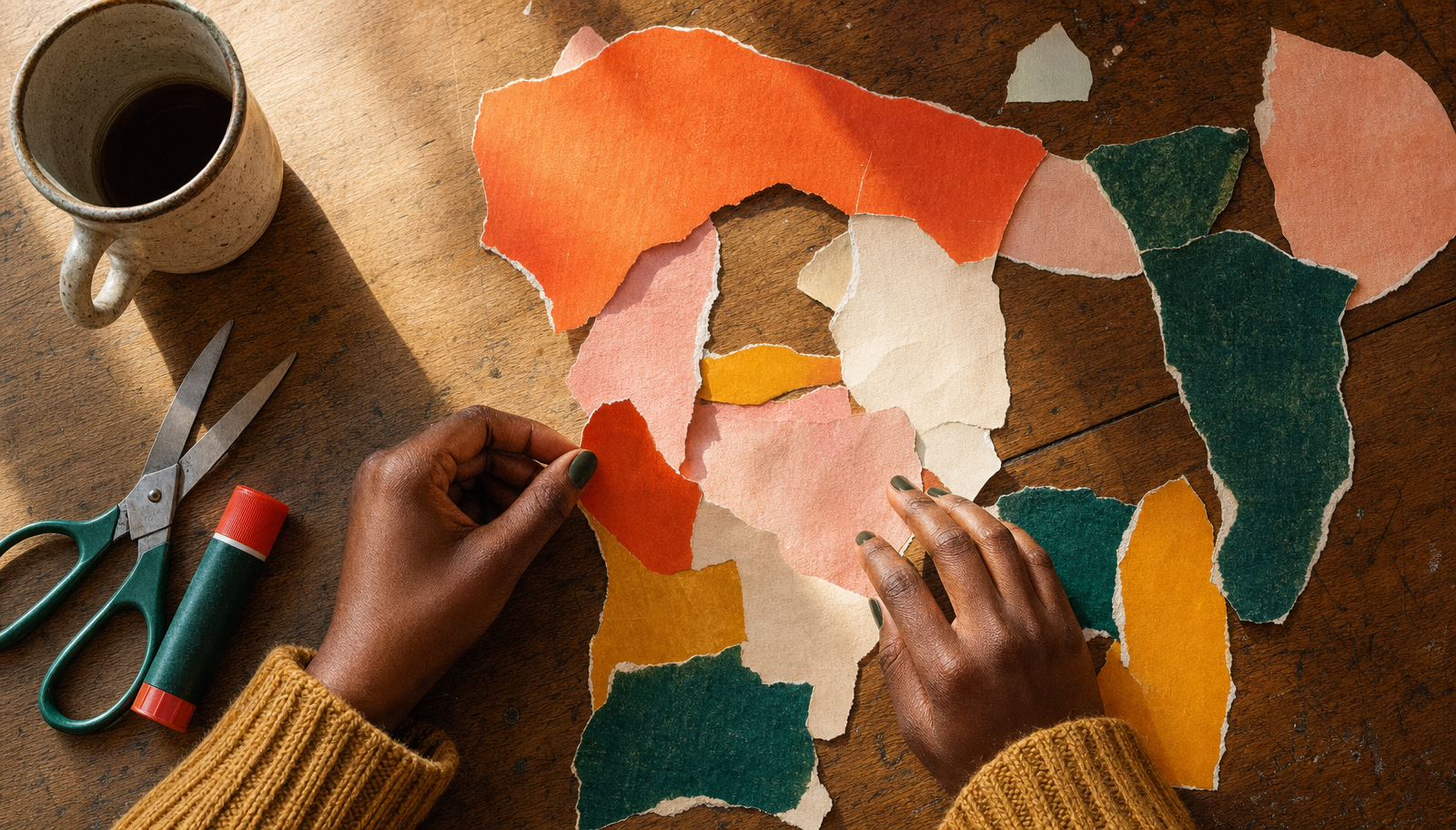
What an eating disorder takes over
Eating disorders are rarely just about food. They're a way of managing feelings that have become too uncomfortable to hold - and over time, the managing takes over. Thoughts narrow. Behaviors tighten. Your view of yourself shrinks to a body, and the body is never right. Anxiety climbs, mood drops, and the disorder tells you the fix is more control.
Recovery means learning to hold those feelings differently. That's slow, hard, and very much worth it - and it's where art therapy earns its place.
What art therapy can actually do in recovery
It gives your hands something to do when feelings get loud. Early recovery is full of uncomfortable moments - after meals, after appointments, after looking in a mirror. Making something - tearing paper, moving paint, pressing clay - is a way to stay with a feeling instead of numbing it or acting on it. Coping you can hold.
It puts your attention on something other than weight, shape, and size. An eating disorder makes the body the only subject. In the art room, the subject is the work in front of you: what you're making, noticing, and choosing. For an hour, you get to be a person with interests again - not a body being audited.
It makes your strengths and values visible. Much of the work is exploring what you actually care about - on paper, where you can see it. When your values sit in front of you in color, the disorder's rules start to look like what they are: someone else's measuring tape.
It questions where the rules came from. Beliefs about what bodies should look like aren't born in you - they're absorbed from family, community, and a culture with narrow ideas about worth. We practice from a feminist, weight-inclusive position: your body is not the problem. Art is a strong tool for taking those inherited beliefs out, looking at them honestly, and deciding what to keep.
The honest part: art therapy alone is not enough
Eating disorders exist on a spectrum, and different levels need different levels of care. Real recovery usually involves exposure to food and eating, often medical monitoring, and for many people, medication. That's not pessimism - it's what safe treatment looks like.
That's why Jennifer collaborates with primary care physicians and registered dietitians who specialize in eating disorders, and why the first step is always an honest assessment of what level of support you need. If anyone offers you art therapy as a standalone cure for an eating disorder, be suspicious. Therapy is hard, recovery is harder, and both are worth doing properly.
How Jennifer works
Jennifer Warpool, LCAT, leads our eating disorder work. Sessions blend art therapy with CBT, DBT, and ACT - structured, evidence-based approaches, made warmer by having materials on the table. Because eating disorders rarely travel alone, Jennifer also assesses for trauma and co-occurring anxiety and depression, and brings in trauma-focused work like CPT when it would help. The pace is collaborative: talking when talking works, making when words run out.
What a session looks like
No easels, no art-school pressure, no skill required. You might map what a hard meal felt like in color, build a collage of values the disorder has been talking over, or just work with clay while you talk. The point is never a good drawing - it's what the making lets you notice and say. More on the mechanics in how art therapy works.
Common questions
Do I need to be good at art? No. Stick figures and torn paper do the job. The work is in the noticing, not the rendering.
Can art therapy treat an eating disorder by itself? No - and you should hear that from us. It works as part of a team that can include a physician, a dietitian, and sometimes a higher level of care. We'll be straight with you about what you need.
Do you work with all eating disorders? Jennifer works across the spectrum, including ARFID (she's completed the Inside ARFID training), always starting with an assessment of what level of care fits. If you need more support than weekly therapy, we'll say so and help you find it.
Ready to talk? Book a free 15-minute consultation. No pressure to book a session - just an honest conversation about whether we're the right fit for where you are.